Software Modernization & Consulting
Legacy platform, made maintainable
An illustrative engagement, written from how we work. Client details are withheld and no outcome figures are claimed.
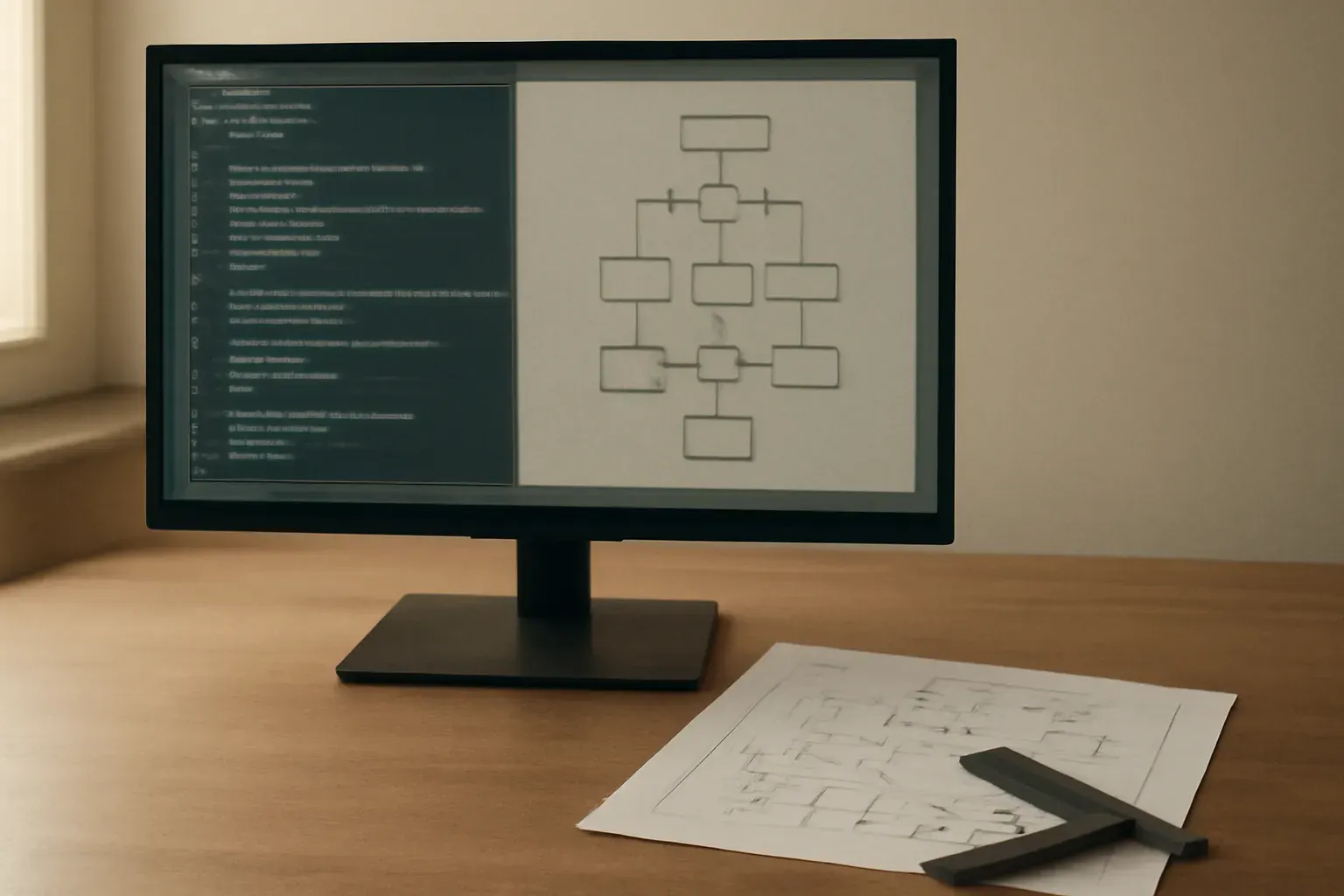
Context and constraints
The situation this example is drawn from: an operations platform built roughly a decade earlier, in a language and framework no one currently on the team was hired to maintain. The original developers were long gone. Feature requests had stopped being made, not because the business had stopped needing them, but because no one wanted to be the one to touch the code. The trigger was a due-diligence conversation ahead of a funding round — the platform's condition needed a written, independent answer, fast.
Approach
The engagement opened with a full Survey — reading the codebase directly rather than relying on secondhand descriptions of what it did. Key decisions from there:
- Separate "what's risky" from "what's merely old" — age alone isn't a defect; unpatched dependencies and undocumented data flows are.
- Map the system's actual data model against what the business believed it stored — the two had drifted.
- Sequence the roadmap so the highest-risk items could be fixed without a full rewrite, keeping the system operational throughout.
Architecture Decisions
Dependency audit first
before any code review, establish which libraries were unsupported and where that created real security exposure.
Data model reconciliation
document what the database actually enforced versus what the application code assumed, closing the gap in the roadmap rather than the review.
Phased migration plan, not a rewrite
sequence changes so the platform kept serving users throughout, avoiding a high-risk "big bang" replacement.
Roadmap handed over executable by any team
written so it didn't require continuing with the same studio to be actionable.
What Shipped
ENTRY — RESULT
A written risk assessment and phased modernization roadmap, delivered on schedule, that the client's own engineering lead used to brief their board ahead of the funding round. The highest-risk dependency issues were scoped as the first phase of the roadmap; a multi-day manual reconciliation process identified during the audit was flagged for replacement with a scheduled job as an early, low-risk win.